When Hurricane Katrina landed in New Orleans on Aug. 29, 2005, the magnitude of the forthcoming challenge proved far worse than anticipated.
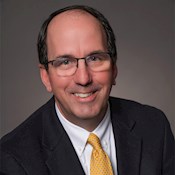
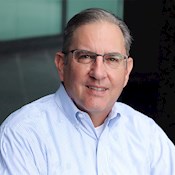
Parke Ellis, area executive vice president at Gallagher, and Douglass Mills, senior vice president of Operations at Gallagher, recall the challenging experience of persevering through the disaster from the ground.
Operating from a trailer 70 miles away in Baton Rouge, they kept their firm running while navigating their clients' claims and supporting staff through their personal challenges in the aftermath of the storm.
Q: In 2005, New Orleans was no stranger to hurricanes, but how prepared was your business for the impact of Katrina?
Douglass Mills (DM): Right before the storm, I was reminded of the importance of emergency planning and business continuity management plans during a conference with insurance agents in early 2005. Agents shared their experiences with the series of storms (Charley, Frances, Ivan and Jeanne) that had hit Florida the year before, and I realized we were in serious trouble.
Their overarching message was clear: If you don't know where you're going or what resources you'll have once you get there, you don't truly have a plan. So, we developed a comprehensive emergency plan for our office and even hired external resources to ensure communication and operational continuity if and when the worst happened.
All our team had evacuated New Orleans when Katrina hit, but we needed to return to work. New Orleans was inaccessible, so with the guidance of the external agencies we had hired as part of our emergency plan, we decided to relocate to Baton Rouge, to a mall parking lot. There, we set up a trailer and were able to get all the satellite communication working.
By the following Monday morning, Sept. 6, we were fully operational, handling claims around the clock.
Q: How did your team transition back in once your temporary office space was set?
DM: Most of our initial outreach focused on reassuring clients that they could report their claims. Many expressed relief to speak with us, "Oh my god, I can report a claim, and maybe everything will be OK."
We had to organize the trailer space efficiently.
That trailer became a refuge for many. For some staff members, their homes had been destroyed, and they had nothing left to return to. Despite working long, hard hours, they felt they had a sense of control, order and purpose while they were at work. When they left, they were facing chaos at home.
Reflecting on the experience, I wrote "The Spirit of the Trailer," capturing the palpable spirit and camaraderie we had back then. 1 Even now, I find myself getting emotional just thinking about it.
Q: How did you manage balancing your clients' needs alongside looking after the wellbeing of your staff?
Parke Ellis (PE): Our primary focus was on our employees. We needed to find them after the evacuation, arrange housing solutions and regularly check on their wellbeing. Without their support, we couldn't have concentrated on our main goal: serving our clients' needs.
At the time, 13 of our employees had lost everything, while the homes of others had experienced significant damage. Even though we could foresee some of the challenges our staff faced and continued to face for many months after the storm, the initial logistics of housing and relocating to Baton Rouge were challenging.
We decided to purchase a couple of condominiums to ensure everyone had a place to sleep. We were fortunate to have a healthy balance sheet at that time, which allowed us to manage the expenses of those first months.
We worked from the trailer for over three weeks. Then, we found a temporary office in Baton Rouge, where we stayed until late November 2005, at which point we moved back into our office in New Orleans. From a business perspective, we had no choice but to remain operational during this period; we dealt with considerable additional expenses, but not a complete shutdown. Fortunately, we had Extra Expense Coverage in place to support us.
We weren't receiving premium payments at the time either, because the state governor and the insurance commissioner suspended premium payments for 90 days, which was later extended.
DM: A central part of growing up American was believing that tomorrow would be better. For the first time, we faced the sobering truth that nothing was promised and the future wasn't guaranteed. The loss of homes, possessions and the city we knew was a lot to process. There were tears, anxiety and deep uncertainty. Managing the on-ground situation post-Katrina felt like juggling 35 eggs a day and ensuring none broke beyond repair. It's hard to overstate the substantial toll the calamity took on clients and employees.
I'm proudest of how we all supported each other and helped assure that we would all "make it back."
Q: From a wider community perspective, how has Katrina influenced disaster preparedness?
DM: In the long run, many positive outcomes emerged from the storm for both the city and our agency.
The federal government has invested USD14 billion in new levees, pumping stations and flood control measures, inspired by successful systems in the Netherlands and elsewhere. These improvements have been tested and performed exceptionally well, making the city better prepared from a flood prevention standpoint.
Public housing projects in terrible condition were replaced with more livable single-family and duplex homes, transforming neighborhoods. Across the city, the market-rate housing is thriving, and it's incredible to witness these once-blighted areas being revitalized.
The struggling public school system transitioned to a charter school system, supported by organizations nationwide, making school choice a reality and significantly improving education options for families.
After Katrina, we experienced a remarkable community spirit. The people who came back were determined to rebuild their homes, lives and community and not to lose the joie de vivre that makes New Orleans so unique.
Many people left in the beginning, and those who remained did so out of loyalty or necessity. But in the years that followed, we were a city of true believers, people who believed in the promise of its recovery.
There is still work to do. Twenty years later, we're continuing to implement stricter rebuilding codes, which should have been initiated post-Katrina. The pushback was significant due to shortages of shingles, plywood and labor, leading to delays.
Q: Your experience highlights the importance of business continuity. What was the role of insurance in helping businesses get back on their feet, and were there any lessons there?
DM: I'm proud that billions of dollars in insurance money flowed into New Orleans after Katrina. However, it arrived slower than it should have. The industry largely fulfilled its responsibilities, but the process took too long, highlighting the need for quicker and more efficient responses in the future.
We're seeing some positive changes, like the development of parametric solutions as risk management alternatives, which provide immediate cash relief. More and more clients in the hospitality industry in New Orleans, for instance, are adopting these solutions.
PE: Individual insurance agencies went above and beyond during that time. I can't fully express how proud I was of our staff's response during those first few months as they dedicated themselves to helping clients deal with claims, while coping with their own personal losses.
In turn, we received so much support in the way of supplies and donations from various insurance agencies nationwide. Our employees were surrounded by an outpouring of support from people across our industry whom they had never met. This generosity played a significant role in bolstering our resilience during such challenging times.
We've learned some of the lessons from what happened back then, and you can see that Katrina's impact still looms over insurance buyers. Now people purchase more flood insurance than they used to or increase their business interruption limits.
Hurricane Katrina has influenced many risk management decisions, and we can use examples from the past to guide clients toward better decisions in the future.
Published September 2025