Key insights
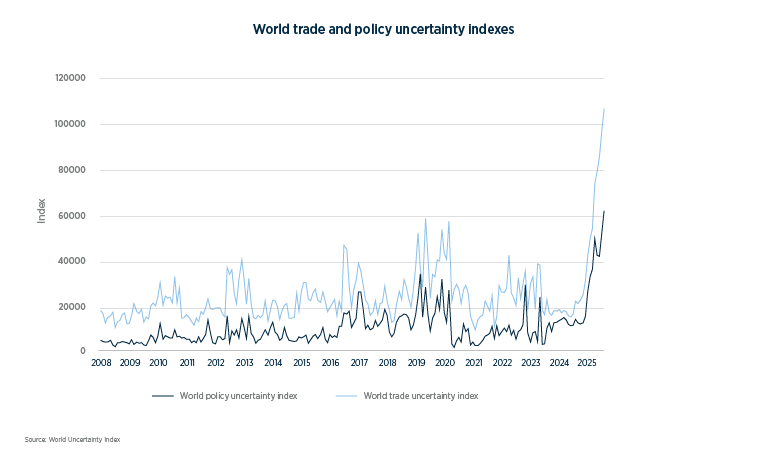
- Overlapping disruptions — from supply chain breakdowns to geopolitical tensions and digital threats — are amplifying each other's impact. The polycrisis is reshaping global risk.
- Two‑thirds of businesses report higher risk exposures since 2020, driving broader insurance coverage, investment in resilience strategies and risk management.
- As remote work and AI adoption have expanded risks beyond internal networks to digital supply chains, cyber vulnerabilities surge. This is prompting more proactive protection plans.
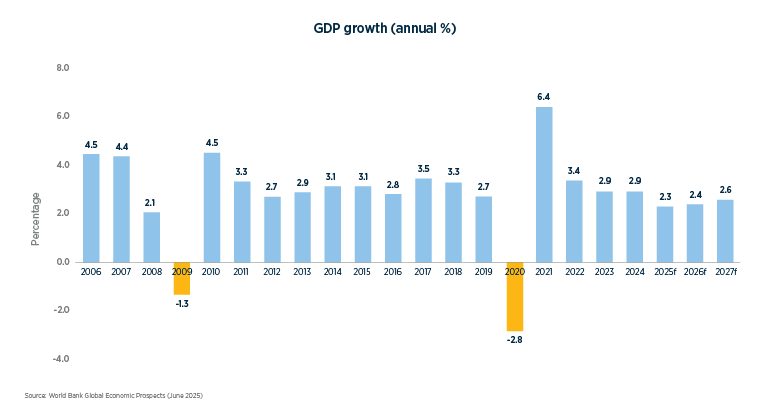
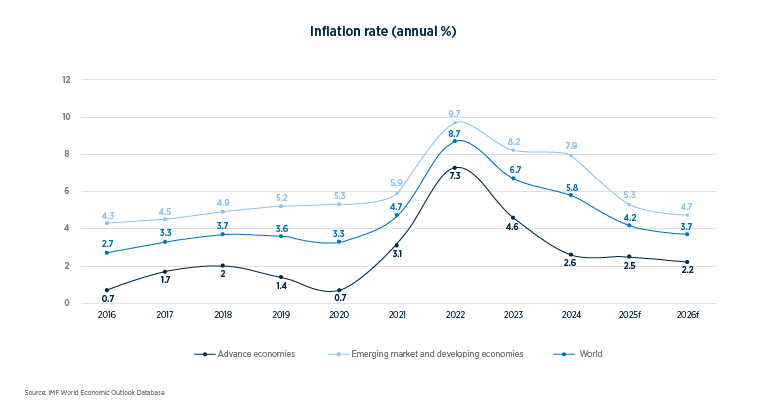
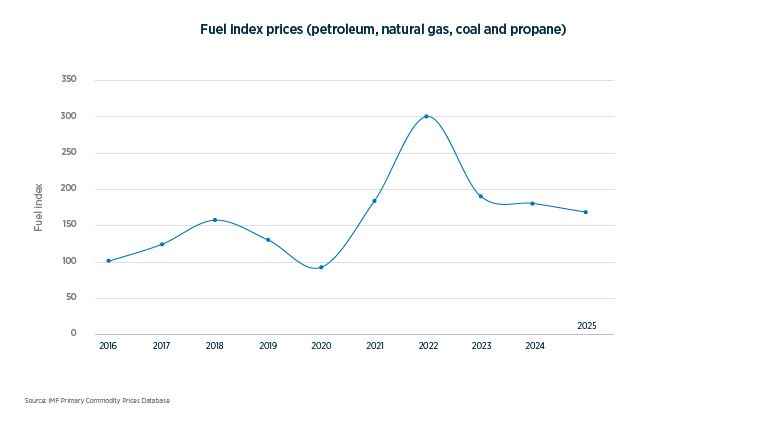
- Global GDP growth is projected at 2.3% in 2025, the slowest start to a decade in more than 60 years. Inflation and energy volatility continue to pressure costs.
- Resilience becomes a strategic priority. Organizations are diversifying operations, fortifying technology and engaging risk professionals to navigate interconnected challenges.
The COVID-19 pandemic not only created a global health emergency but also unleashed cascading effects across various sectors. This chain reaction resulted in the convergence of multiple disruptions, which collided with and amplified one another — a polycrisis that persists and elevates global risk across economies and industries.
Among the most notable challenges are supply chain disruptions, geopolitical conflicts, energy instability, evolving digital threats, recalibration of work models and rising global inflation.
The way companies responded to these challenges has laid the groundwork for a new approach to risk and resilience.
"Beyond COVID, we've also seen other significant events that seem to be occurring with greater frequency or intensity," says Tom Russell, vice president, Global Business Resiliency and Enterprise Risk leader at Gallagher. "This combination of challenges has really shifted the way we approach risk management."
The Gallagher global survey, 5 Years of Business Risk Evolution, highlights how the polycrisis, triggered by the pandemic, has fundamentally reshaped how businesses reassess their priorities and strategies amid rising global risk.
Survey findings point to a more central role for risk management
Approximately two-thirds of businesses surveyed observed increased global risk exposure since the pandemic in 2020, prompting a shift in both their core risk priorities and risk management strategies.
While inflation and lockdowns played a role, digital and cyber risks have quickly become central to this redefinition.
A more distributed work environment with employees accessing systems from remote — and often unsecured — locations has given way to newer cyber vulnerabilities. The push to adopt AI and to automate has also expanded the potential impact of such vulnerabilities, taking them beyond the purview of internal company networks and IT teams to wider digital supply chains.