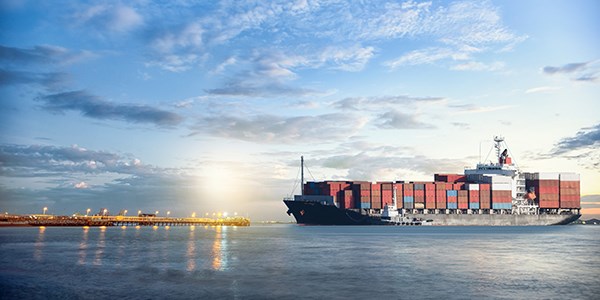
From disruptions in the Strait of Hormuz affecting crude oil prices to shipping route diversions around the Cape of Good Hope due to Red Sea tensions, geopolitical conflicts generate multi-layered consequences that continually impact global businesses regardless of their size and sector.
The challenge for businesses lies in understanding how these wider global events translate into local business interruption and supply chain disruption risks, and more importantly, how to build resilience while maintaining competitive advantage in an increasingly uncertain world.
Key insights
- Red Sea tensions have diverted shipping vessels to a longer route, increasing transit times and operational costs.
- State-based armed conflict has emerged as one of the most pressing geopolitical risks in 2025, directly threatening global trade routes and business operations.
- Cyber-attacks pose a threat to business continuity across the Nordics with nearly 3,500 phishing attacks recorded in 20241. The rising trend in state-sponsored cyber threats amid hybrid warfare tactics, makes it one of the key concerns for businesses in near future.
- Nordic businesses are now more likely to monitor the financial costs of supply chain disruptions and are leaning more towards insurance to cover such losses. As a result, the insurance uptake against major supply chain disruptions rose from 37.4% in 2023 to 46.7% over the past 12 months2.