
Climate change is an immediate and complex challenge, with its impacts deeply intertwined with natural disasters, energy supply issues and shifting regulations.
null

In today's global economy, rapidly changing climate is creating a series of risks for businesses around the world. The Nordic region is experiencing an increase in natural catastrophes (NatCat) and related high costs that are affecting business continuity, infrastructure and long-term strategy. The region typically faces heavy rain, hail, flooding, winter storms, wildfires, landslides and heavy snowfall, all of which can disrupt daily operations and damage property and critical infrastructure. For example, Storm Otto in February 2023 caused substantial damage and disruption across the region, leaving thousands of homes and businesses without power.

The World Economic Forum's Global Risks Report 2025 underscores the urgency of the environmental crisis, placing extreme weather events and biodiversity loss among the top risks anticipated over the next decade. These environmental challenges create an unpredictable risk environment that demands strategic foresight and resilience.

Contributing factors

The Nordic business landscape is facing increased pressure from climate change due to a combination of several factors, forcing companies to reassess their strategies and adapt to a new reality. These factors include:

  • Extreme weather and operational disruption: Climate change is making extreme weather events more frequent and severe, which is increasingly threatening critical infrastructure, supply chains and business continuity. In Norway, for example, heavy rainfall and snow are raising the risk of floods and avalanches. These disruptions are not just a safety concern but also carry significant financial and operational costs.
  • Regulatory and political shifts: Stricter environmental regulations, particularly at the EU level, are compelling businesses to reduce carbon emissions, adopt cleaner technologies, and comply with new sustainability reporting standards. Non-compliance with these policies can lead to fines, legal liabilities, and damage to a company's reputation.
  • Rising consumer demand for sustainability: Nordic consumers demonstrate a high level of climate awareness, which is directly influencing business practices1. There is a growing demand for sustainable products and environmentally responsible business practices. Companies that fail to meet these expectations risk losing market share and facing reputational damage.

Impact

Climate change is significantly affecting Nordic businesses, creating a range of challenges from operational disruptions to financial risks. The core impacts are not just regional, but extend globally, and include direct physical damage, supply chain vulnerabilities, and legal and financial exposures.
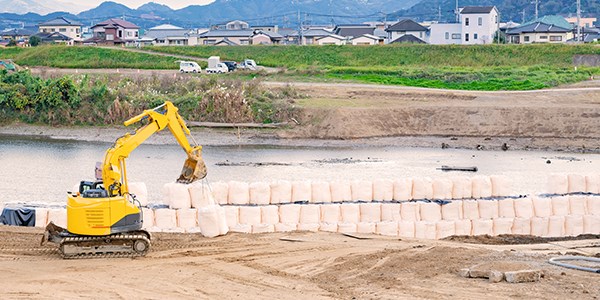
Extreme weather events can directly damage commercial properties and infrastructure, leading to costly repairs and operational downtime. These events can also cause significant delays in construction projects, impacting deadlines and budgets.

Due to the increased unpredictability of these events, the insurability of properties in high-risk areas has become increasingly difficult and expensive. Insurers have been forced to regularly adjust their risk models to account for higher frequency and severity of climate-related incidents.

The interconnected nature of the global economy means that Nordic businesses are not immune to climate impacts occurring elsewhere. According to the Gallagher Business Risk Index 2024, supply chain disruption ranks as the fifth most significant risk for medium and large organisations. Extreme weather events in other parts of the world can disrupt production and logistics, leading to significant supply chain disruptions. These interruptions result in delays, increased costs for raw materials and transportation, and can ultimately weaken customer trust and brand reputation.

Altered precipitation patterns, including more frequent droughts, are affecting hydropower generation, a key energy source in the Nordic region. Furthermore, the transition to a new energy mix, with a greater reliance on intermittent renewable sources like wind power, is introducing grid volatility and energy supply challenges. This uncertainty can lead to energy shortages and price spikes, impacting operational costs and forcing businesses to seek more stable and decentralized energy solutions.
The legal risk associated with environmental, social and governance (ESG) commitments is rapidly growing. The risk index report notes that 62% of firms are worried about potential litigation if they fail to meet their environmental targets. This risk is particularly high for companies that make ambitious environmental claims without a clear plan to back them up. The legal and reputational costs of such litigation can be extensive.
Johan

"With increasing challenges of predicting climate-related risks and consequential losses, Gallagher can support clients in their risk management work to improve decision-making and manage the uncertainty of risk."

Johan Berg, Senior Insurance Broker & Head of Large & Complex

Mitigation strategies

The increasing challenges posed by climate change require Nordic businesses to adopt a comprehensive and proactive approach to mitigation. This involves not only responding to immediate threats but also strategically planning for long-term sustainability and resilience.

"While climate change undoubtedly presents significant challenges for businesses and society, it also serves as a powerful catalyst for innovation and resilience. By embracing foresight, collaboration and adaptive planning, businesses can navigate the immediate ripple effects of climate change and emerge more robust and competitive in a rapidly changing world."
Johan Berg, Senior Insurance Broker & Head of Large & Complex

Sources

1 Maczionsek, Mara Isabella J.H., et al. "Linking Perception and Reality: Climate-Sustainability Perception and Carbon Footprints in the Nordic Countries," ScienceDirect, 10 Dec 2023.