Author: Stephen Scott
Summary
The construction industry is witnessing a transformative era, marked by the integration of groundbreaking technologies such as Battery Energy Storage Systems (BESS), large turbines, hydrogen plants, carbon capture facilities, and ambitious infrastructure & civil projects. These innovations are redefining the Middle Eastern construction landscape, offering efficiency, sustainability, and scale. However, they also introduce complex risks that can impact the availability of insurance markets willing to underwrite these ventures. With insurance being a key enabler for doing business, partnering with an effective broker becomes critical for successfully navigating this changing landscape.
A lot has been written on how insurance can play a key role in the energy transition, supporting this transformation and creating insurance products to support the development of new technology. However, as there is limited practical guidance available on how companies adopting new technologies can secure appropriate insurance coverage, many organisations struggle to accurately assess their insurance needs during the early stages of a project. Therefore, it is essential for project owners to engage their insurance broker’s technical expertise well before the placement of construction insurances to improve the viability of their project.
Prototypical technology overview
Insurers are increasingly asked to underwrite projects involving technologies they consider prototypical, often due to limited operational history and sparse claims data. Key examples include:
Hydrogen
Whether for production (electrolysers), storage, or distribution, hydrogen projects involve explosion and embrittlement risks. While high-pressure gas handling is familiar to insurers, novel use cases and limited incident data can complicate risk assessment and underwriting.
Carbon capture (CCS)
CCS projects combine high-value assets and long-term environmental exposures. Risks include mechanical failure during construction and uncertainties around subsurface injection (e.g., caprock integrity, groundwater contamination). With few operating CCS plants, insurers often impose conservative limits and strict conditions.
Wind turbines
Large turbines pose logistical (especially offshore) and mechanical risks, from transport and heavy-lift operations to fatigue and weather-related failures. Newer models lack long-term loss data, limiting underwriting confidence and increasing premiums or capacity restrictions.
Modular design
Off-site construction reduces on-site risk but introduces challenges during transport and assembly. Modules may suffer damage in transit or misalignment on-site. Limited precedent with large-scale modular projects pushes insurers to focus heavily on quality assurance/quality control (QA/QC), transport logistics, interface testing and liability allocation.
Battery Energy Storage Systems (BESS)
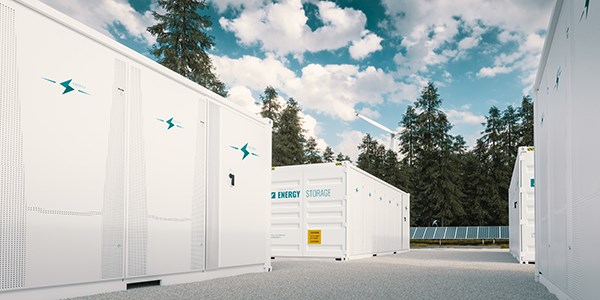
BESS projects carry high fire and thermal runaway risks during construction and integration phases. Sparse historical claims data for utility-scale BESS fires lead to cautious underwriting, often with capped sub-limits on fire and delay in start-up/ business interruption.
Complex infrastructure
Projects like The Line at NEOM or The New Murabba involve unprecedented design and engineering, concentrating large values and structural complexity. Their scale and novelty make it difficult for insurers to quantify exposure, driving intense scrutiny and bespoke risk treatment.
Challenges for insurers
While there are of course nuances in how to approach individual placements of the above technologies, there are a few core messages that drive the underlying challenge with placing prototypical risks.
- Data scarcity: New technologies often lack historical loss data and therefore actuarial loss models are weak, making risk assessment and pricing difficult
- Technical complexity: Understanding the intricacies of technologies like hydrogen production or BESS is essential for accurate risk evaluation and may not always be fully understood by the underwriter
- Regulatory uncertainty: Evolving regulations can impact project viability and insurance requirements
Risk advisory insights from Gallagher
Framing technical novelty in the context of managed complexity rather than unknown risk can shift perception and improve insurability.
For project developers and owners, the placement of suitable insurances is a key enabler to securing finance and breaking ground on projects employing emerging technologies, therefore picking the right broker with the right technical expertise can make a huge difference on the success of the placement. Some of the ways in which the insurer challenges can be addressed are outlined below.