Author: Corey Tidey
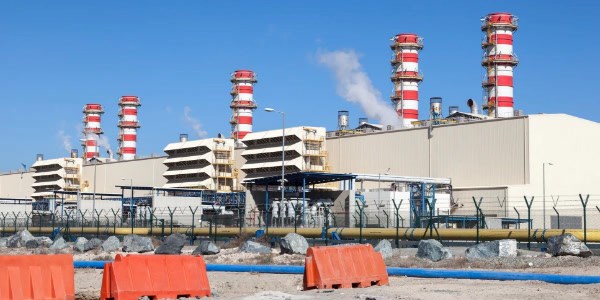
The MEA power and energy industry, a critical engine for ongoing regional development, is at a pivotal juncture. While ambitious diversification strategies and renewable energy targets are driving unprecedented investment in new regional generation capacity, they are simultaneously ushering in a new generation of potentially unforeseen operational risks across the energy and power sectors. Successfully navigating these evolving challenges critically hinges on a proactive and specialised approach to risk management and tailored risk solutions.
With a strong on-the-ground presence in the MEA region and a deep understanding of the power and energy markets, we are aware of these shifts and the resultant challenges and opportunities presented to clients. As demand in the region increases with the region scaling up its power and energy infrastructure, both conventional and renewable power companies face growing exposures. A complex interplay of economic pressures, ageing assets, evolving environmental and social demands and the inherent volatility of integrating new energy sources into the incumbent grid networks are all at play simultaneously.
Amidst a constrained insurance market, clients are increasingly seeking bespoke risk transfer solutions and specialised risk mitigation advice to cater for these ever-evolving challenges.
Persistent economic headwinds and supply chain vulnerabilities
Across the MEA region, power and energy assets continue to grapple with continuing economic headwinds, inflationary pressures and the lingering effects of global supply chain disruptions.
- Rising costs and price volatility: From vast solar farms in Saudi Arabia's giga-projects, to new gas-fired independent power producers (IPPs) in Middle East and North Africa (MENA) and critical grid upgrades across most of Africa, the cost of raw materials (like steel, copper and rare earth minerals for renewables), specialised equipment (turbines, transformers, photovoltaic modules modules), and experienced labour continues to climb. This directly impacts capital expenditures (CAPEX), prolongs financing discussions and can erode the profitability of existing operations through higher maintenance and repair costs, leading to higher operating expenses (OPEX) considerations.
- Logistical complexities and geopolitical frictions: Geopolitical events, such as ongoing conflicts, regional instability (like the Red Sea disruptions affecting Suez Canal traffic) and trade policy shifts, are creating significant logistical bottlenecks for clients. These can lead to extended shipping times, increased freight costs (including fuel surcharges and marine-related insurance premiums), and a greater reliance on less efficient alternative transit routes. These ongoing disruptions directly impact the timely delivery of power and energy generation equipment and fuels, leading to project delays and operational interruptions.
- Localisation imperative: We are seeing an increased push for regional localisation and In-country value (ICV) programs to build domestic manufacturing capabilities for the power and energy sector. Saudi Aramco's In-Kingdom Total Value Add (IKTVA) and Abu Dhabi National Oil Company’s (ADNOC) In-Country Value (ICV) programs, as an example, are resulting in a reduced focus on international suppliers. Establishing competitive local supply chains requires substantial investment in infrastructure, technology transfer and workforce development. Whilst these efforts are ambitious, they lead to short-term complications, whilst the focus should be on the longer-term objectives. Bridging this trade-off between local content targets, international skill, and supply is a complex balancing act. Ensuring project timelines and cost-efficiency are not affected remains crucial. This critical dependence introduces external vulnerabilities that demand careful review, planning and management as part of the firm’s wider risk strategy.
The Grid's Greatest Challenge: Deterioration Meets Development
Many parts of MEA's conventional power generation and T&D (Transmission and Distribution) infrastructure, particularly in established heavy oil and gas producing countries and some African nations, are reaching or have already exceeded their intended operational lifespans. This ageing infrastructure, coupled with increased ongoing demand, creates a critical and escalating operational dilemma for companies:
- A power backbone under strain: Decades-old power plants, designed for a different era, could now be pushed to their limits to meet the demands of rapidly growing populations and ambitious industrial expansion efforts. Components are failing more frequently, maintenance costs are increasing, and overall efficiency is reducing. Similarly, vast networks of transmission lines and distribution grids are not equipped to handle the increasing capacity requirements or the growing demands of a modern digitised economy. These are the vital lifelines of a nation's economy, and their deterioration or failure can result in significant repercussions.
- Repair or replace? Power generation operators face a difficult decision. Invest heavily in extensive repair and retrofitting to keep these ageing assets operating, or embark on prohibitively expensive and time-consuming rebuilding projects. Neither option is simple, and both carry substantial fiduciary and operational risks. Band-Aid solutions, while likely cheaper upfront, often lead to increased long-term operational inefficiencies, higher ongoing maintenance burdens and a heightened risk of catastrophic failures in the long run.
- Ongoing grid stability: Increasing strain on older assets directly translates into a precarious balancing act for grid operators and offtakers. Increased forced outages at generation plants, combined with vulnerabilities in the transmission and distribution networks, lead to a higher frequency of unplanned power interruptions and outages. In many parts of Africa, for example, chronic grid failures (regular brownouts or blackouts) and the necessity of load shedding are widespread issues. These aren't just inconveniences, but rather they're direct consequences of an overburdened ageing infrastructure that struggles to consistently deliver, impacting businesses and essential services. The urgency to modernise these grids with smart technologies and demand-side management systems is a key focus area moving forward. However, implementing these sophisticated solutions isn’t easy or cheap, and consideration of managing this with potentially complex legacy systems introduces its own unique set of operational risks.
Grid revolution: Integrating MEA's next-gen power
The MEAA region is shifting aggressively towards renewables, including large-scale solar parks in the UAE and Saudi Arabia, ambitious hydropower projects in East Africa, and emerging green hydrogen initiatives demanding large renewable energy feedstock. These developments introduce a unique set of potential new operational risks for regional power and energy companies:
- Intermittency and grid stability: Integrating large volumes of intermittent renewable energy (solar, wind, etc.) into existing, often less flexible grids, presents significant challenges for operators. Maintaining real-time supply-demand balance and grid stability requires sophisticated forecasting, flexible conventional generation (like open-cycle gas turbines), and the deployment of rapidly deployable storage solutions like Battery Energy Storage Systems (BESS). Without these measures, the likelihood of frequency deviations, voltage instability, and cascading blackouts rises. Investors and governments in the region are increasingly focusing on addressing these challenges.
- Network modernisation: The existing transmission and distribution networks in many MEA countries were not designed for the bidirectional flow of power or the localised generation characteristic of a decentralised renewable energy landscape. Integrating new renewables often necessitates substantial upgrades to Transmission and Distribution (T&D) infrastructure, including new high-voltage direct current (HVDC) lines to transport power from remote renewables, smart grid technologies for enhanced control and digital substations for improved efficiency and operational resilience. Not updating or expanding these networks creates critical bottlenecks, risks of restricting new projects, and potentially limits the overall reliability and effectiveness of the system.
- Advancing prototypical technologies: While established renewable technologies like utility-scale solar PV and onshore wind are becoming more familiar, the MEA region is also embracing newer, less proven innovations. Advanced BESS chemistries, high-capacity Concentrated Solar Power (CSP) plants with thermal storage and especially the rapidly emerging green hydrogen production facilities (large captive power consumers) carry novel and less-quantifiable operational risks for power companies. These first-of-a-scale or first-of-a-kind projects often have limited historical claims data, making risk assessment and insurance placement challenging. Issues can range from unforeseen equipment failures and performance shortfalls to integration issues that impact the operational availability and output.
Gallagher's proactive approach to risk in MEA
As power and energy firms in the Middle East and Africa face this confluence of risks, we stand ready as a key strategic partner, observing that clients will require a holistic approach to assessing, managing and mitigating the ever-evolving operational risk landscape prevalent in the region.
We understand that this isn't merely about transferring risk but about building enduring business resilience to support sustainable growth for our clients across the region.
Our integrated approach combines our deep industry knowledge, data-driven insights from our risk engineering team and our robust claims advocacy support. We are not just a placement broker; we are a dedicated risk and advisory partner committed to supporting MEA’s power and energy firms in navigating these challenges, building their resilience against the new operational risks and ultimately empowering their journey towards a truly sustainable and secure energy future.