Extreme temperatures and their impact on public health have dominated global headlines in 2025.
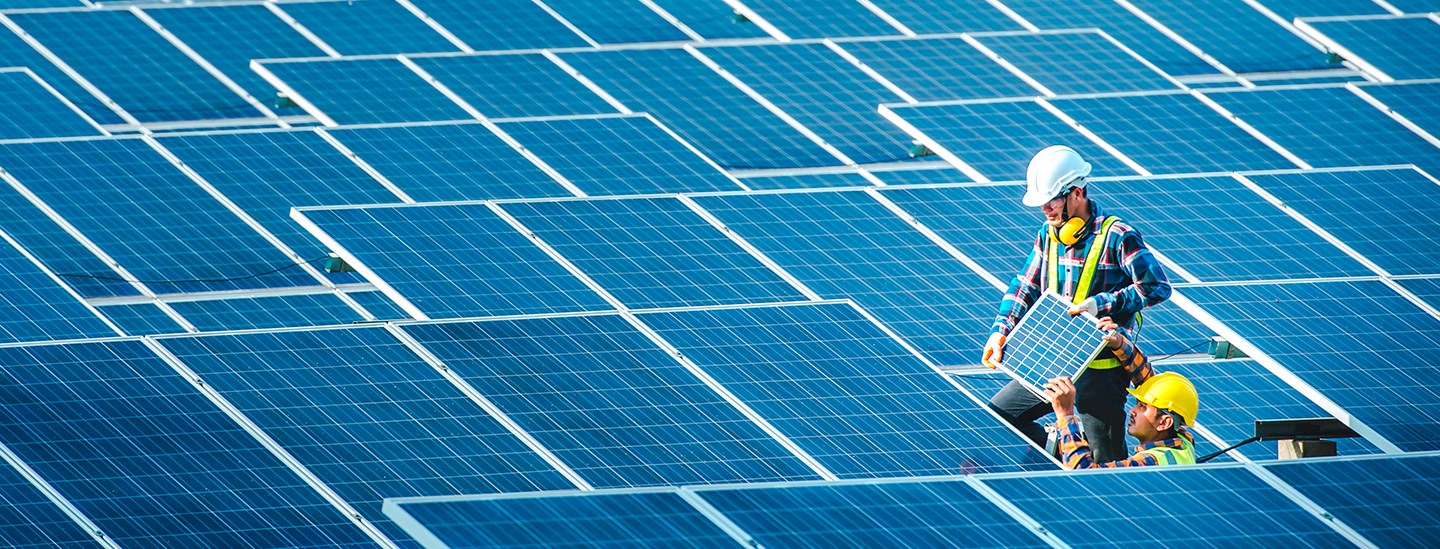
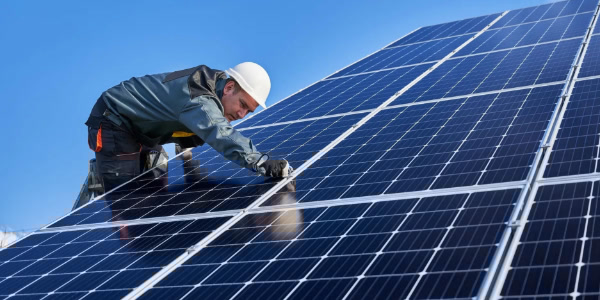
Heat stress is a major concern for industries that depend on outdoor workers, with employees in sectors such as construction, agriculture, energy and transportation particularly vulnerable.
Over a quarter of the global population works outdoors. In many parts of the world, these individuals are exposed to risk factors linked to climate change, including heat, solar ultraviolet radiation and ambient air pollution.
According to a study of 12 European cities by the Grantham Institute, heat-related causes led to approximately 2,300 deaths across Europe in June 2025 — the third-hottest June on record.1 The study found that climate change was a key driver, with elderly people particularly vulnerable to excessive heat.
In Portugal, temperatures reached 116°F (47°C), while in Lombardy, Italy, outdoor work between 12:30 p.m. and 4 p.m. was banned.
In the US, meanwhile, a June "heat dome" disrupted transportation networks, triggering power outages and prompting a high number of hospitalizations.
Heat prevention rules protecting outdoor workers lack consistency
Despite growing evidence of the impact of heat stress on public health, there's little substantive regulation protecting employees against working outdoors during periods of excessive heat.
From country to country, the rules are evolving as summers get hotter. In the UK, the government advises that temperatures in all indoor workplaces "must be reasonable," but currently no laws mandate maximum working temperatures.
Following the deaths of European workers during the most recent heatwave, trade unions again have called on the European Commission to issue a directive on maximum working temperatures, citing a 42% increase in heat-related workplace fatalities over the past 25 years.2
How can employers protect workers from heat-related health and safety risks?
For now, the burden of responsibility is on employers to implement necessary protections to secure the health and safety of employees and prevent costly heat-related accidents.
Heat stress in the workplace poses serious health and safety risks, which can also create operational dangers. As daily temperatures rise above 93°F (34°C), workers may lose up to 50% of their work capacity, according to the International Labour Organization (ILO).
“
Workers operating under heat stress are more likely to make mistakes and suffer injury, particularly when carrying out complex tasks, because their cognitive functions and coordination are impeded.
Heat impairments of physical and mental abilities impact productivity, while the increased likelihood of accidents can disrupt operations by causing costly periods of business interruption.
Even when people avoid the most extreme daytime temperatures, heatwaves can make it difficult to sleep at night, resulting in tiredness and impaired judgement during the day. During the June heatwave, overnight temperatures in the Spanish city of Seville reached 82°F (28°C).
Leveraging real-time data: Strategies for mitigation
Many businesses are already taking proactive steps to protect their employees from heat-related health threats, but attention in this space is growing in anticipation of more frequent summer heatwaves.
Employers with outdoor workers are investing in wearable devices, personal protective equipment (PPE) and air quality sensors as heatwaves and air pollution become more persistent problems.
Heat stress management programs typically include:
- Regular hydration
- Scheduled rest breaks in shaded or cooled areas
- Cooling stations to help regulate employees' body temperature
- Schedules that limit outdoor work during the hottest part of the day
- Encouraging workers to wear breathable, light-colored and loose-fitting clothing
- PPE, such as cooling vests
Businesses may also consider altering shift patterns or adopting a four-day workweek. A growing number of employers are also conducting periodic heat-risk assessments. Many governments issue heat-health alerts, which businesses can sign up for.
Complementing these workplace strategies, the National Institute for Occupational Safety and Health recommends a period of acclimatization — gradually increasing the time workers spend in very hot conditions over a period of one to two weeks.
Wearable devices used to protect construction workers
"In the UK, we've had several heatwaves over the course of the summer, and construction clients are increasingly turning to real-time data to determine when and how to work safely outdoors," says Tracy Keep, managing director of the National Construction practice, Gallagher UK.
“
During periods of extreme heat, employers are allowing more flexible working hours on sites where this is possible, so staff can start earlier or later to avoid the hottest period of the day.
Tracy Keep, managing director, National Construction practice, Gallagher UK
"We are seeing more emphasis on monitoring the health of outdoor contractors in real time, including the use of sensors and wearables," Keep continues. "They are also emphasizing the importance of hydration and encouraging staff to drink more water."
Proactive measures work practices are essential to safeguarding worker health and safety as global temperatures rise and to maintaining productivity and economic stability across affected industries. Ultimately, corporate reputations are also at stake.
With legislation in this area likely to evolve, senior managers responsible for occupational health and safety need to stay informed about their duties to protect their people and prevent heat stress in the workplace.
Published October 2025