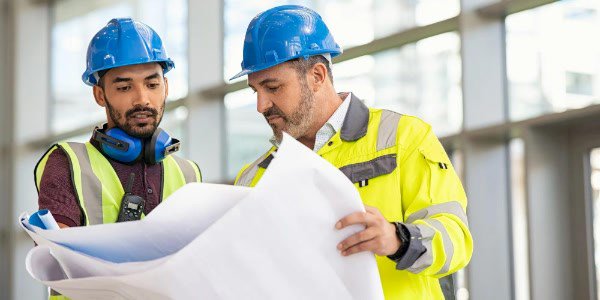
Technology is revolutionizing the construction industry by enhancing precision, collaboration and sustainability. Advanced tools such BIM, virtual reality (VR) and augmented reality (AR) are increasingly indispensable for A&Es.
- BIM — a digital representation of physical and functional characteristics of a building — facilitates efficient planning, design and management throughout the project lifecycle.
- VR allows users to immerse themselves in a virtual environment, enabling architects and stakeholders to visualize designs in a realistic and interactive way before construction begins.
- AR overlays digital information onto the physical world, helping teams visualize project elements in real-time and improving on-site coordination.
Together, these tools are driving smarter planning, immersive design experiences and seamless project execution.
Smart building systems, powered by internet of things (IoT) devices and sensors, enhance functionality and energy efficiency. Connected devices can also improve the risk profile of such properties through early detection of risks, such as water escape.
Data analytics further improve safety and reduce risks by offering insights into building performance. Meanwhile, innovations like 3D printing, drones and robotics streamline construction processes, increasing accuracy and efficiency at a time when labor and material costs continue to rise.
These technologies also reduce the industry's carbon footprint. In 2024, buildings in the US accounted for 551 million metric tons of carbon dioxide emissions, about 11.5% of the total energy-related emissions.3 By integrating digital tools across the entire building lifecycle — from design and construction to maintenance and operation — firms can optimize resource use and extend the value of their projects.
Insurers are taking notice. Greater precision, better data and more resilient systems can lead to lower premiums and more comprehensive coverage, making technological integration a strategic advantage.