Author: Lars Gustafson
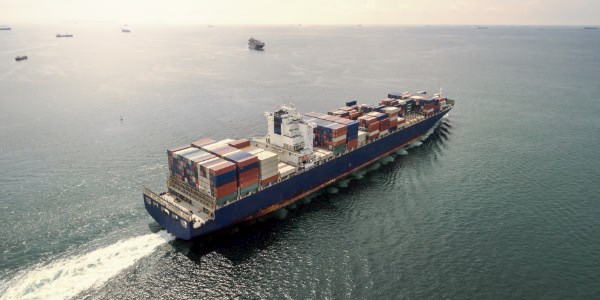
Personal liability in maritime cases is rare; however, a recent court case found a major shipowner personally liable for millions of dollars stemming from the alleged abandonment of the bulk carrier nearly a decade ago.
The shipowner was found to have been directly involved in key operational and insurance-related decisions regarding the vessel. The jury concluded that the owner played a central role in the conduct that ultimately led to the abandonment of the ship.
This outcome sends a strong signal to the maritime community: When a principal is actively engaged in decision-making — particularly if those decisions involve misrepresentation, negligence or bad faith — corporate protections may no longer apply.
The case also underscores the growing willingness of insurers to pursue subrogation against individual executives when corporate entities are deemed insufficient or insolvent. The plaintiff successfully recovered the full claim amount from the shipowner — a move that will likely embolden other carriers to follow suit in future disputes.
For shipowners and maritime executives, this ruling illustrates the real and growing risk of personal exposure. In situations where ownership structures are opaque, and decision-making is centralized, a legal path to individual accountability may be more accessible than previously assumed.
This case is a wake-up call for the market, but also a moment to reinforce the critical role of Directors and Officers (D&O) liability insurance. While traditional Hull and Protection and indemnity (P&I) policies are designed to protect the vessel and its operations, D&O insurance is specifically structured to shield individual executives from the financial fallout of lawsuits like this one. A well-structured D&O policy would typically respond to allegations of mismanagement, breach of fiduciary duty or wrongful acts — as were argued in this case.
This verdict is a reminder of the importance of comprehensive marine D&O coverage, particularly Side A protection, for maritime executives. Had appropriate D&O insurance been in force and triggered, it likely could have responded to cover all or part of the $8 million judgment.
Marine brokers should use this precedent as a risk advisory moment with their clients or prospects. In upcoming renewal meetings and client reviews, we recommend:
- Auditing existing D&O policies to ensure adequate limits and appropriate maritime-specific endorsements
- Highlighting the importance of maintaining corporate formalities and separating personal from business actions
- Advising clients to document decision-making processes and maintain transparency with insurers
- Flagging high-risk geographies or trades that may increase exposure to regulatory or legal challenges
For additional information about next steps, please reach out to Lars Gustafson for more information and guidance.