Author: Chris Crawford

Private companies from burgeoning start-ups to established multinational firms are implementing long-term incentive (LTI) plans to attract, retain and motivate key leaders.
Shifting compensation philosophy favors LTI plans
Gallagher's 2025-2026 report on CEO and executive compensation found that 82% of private companies surveyed offer LTI plans incentives, primarily as a tool for retention. This LTI trend reflects a strategic shift in compensation philosophy, with a clear move away from traditional stock options and toward a more diversified mix of equity vehicles, such as restricted stock and performance shares.1
The evolution in LTI plan design underscores the importance of compensation committees creating customized plans that align with their companies' unique circumstances, culture and long-term goals.
Yet, navigating LTI design mechanics can be challenging. Compensation committees may grapple with such questions as:
- Can we grant equity or should it be cash-based?
- Who do we include in the LTI plan?
- Should we provide interim liquidity or force to hold?
- Should the LTI be performance based, retention based or a mix?
- Should we allow tax deferral rights?
Why use LTI plans
Tailor your LTI plans to reward behaviors and outcomes that align with the company's strategic goals, such as increasing sales, improving customer satisfaction or reducing costs. Clearly communicate the goals and expectations.
Strategic use of LTIs can help to encourage creativity and continuous improvement when leaders know their efforts will be recognized. The most effective incentive plans include metrics that, in turn, inform adjustments to improve the plan.
Best practices for effective LTI plans
- Tailor to employee needs: Understand what motivates your workforce and design plans that resonate with them.
- Set clear and achievable goals: Ensure that the objectives tied to incentives are realistic and clearly communicated.
- Ensure fairness: Make incentive plans transparent and equitable to avoid perceptions of favoritism.
- Provide timely rewards: Recognize and reward achievements promptly to reinforce the connection between effort and reward.
- Balance short-term and long-term goals: Include both immediate rewards and long-term incentives to sustain motivation.
Long-term incentive plan quick guide
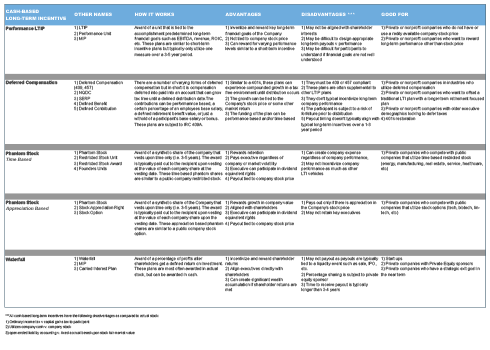
Gallagher's Executive Compensation Consulting team has spent decades advising clients on LTI plan design. We've put that experience into a quick guide for cash-based LTI plan alternatives.
Our chart covers how LTI plans work, the pros and cons, and which applications work best. While not the final word on LTI plans, this chart is designed to provide a solid foundation to inform initial decision-making around a critical component of variable pay.
Gallagher can help
Gallagher uses data, technology and trust to design and evaluate compensations models to fit your strategic goals. Our team can work with your compensation committee to proactively analyze market shifts and determine how the incentive model may need to evolve to align with changing business dynamics.