Author: John Melton
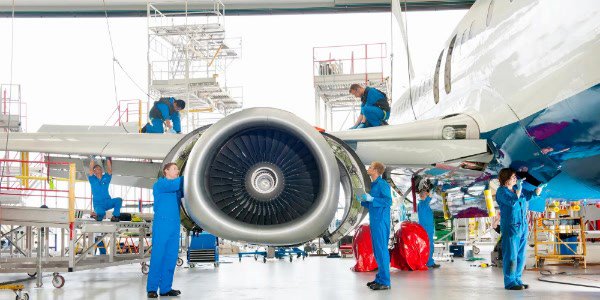
In aviation, safety is everything — in the air, on the ramp and behind the scenes. But while businesses often focus on aircraft and operational risks, one of the most overlooked exposures is the people doing the work: your flight crews and ground personnel.
Whether it's a pilot injured during a repositioning flight or a line technician hurt fueling an aircraft, these incidents fall under a critical coverage that every aviation business should understand: Workers' Compensation insurance.
What is Workers' Compensation insurance?
Workers' Compensation (WC) insurance provides medical benefits and wage replacement to employees injured on the job. It's typically required by state law and applies regardless of fault — which means even seemingly minor incidents can trigger significant claims.
In aviation, the risks are unique. Crews operate in high-motion, dynamic environments with heavy machinery, unpredictable weather and tight turnarounds. The likelihood of injury is real — and the costs of being uninsured (or underinsured) can be devastating.
Why aviation businesses need to pay attention to Workers' Comp
Many aviation businesses assume that existing policies or federal regulations automatically cover flight crews. But that's not always the case.
Here's why Workers' Compensation is especially important — and occasionally complex — in the aviation industry.
Pilots and flight crew
- Pilots often operate across state lines or internationally. Without the right WC structure, claims could fall outside your coverage jurisdiction.
- Some owners assume pilots are independent contractors, but that can backfire in a claim situation if the pilot is deemed an employee under state law.
- Repositioning flights, deadheads or even commuting legs may still qualify as work-related exposure depending on your policy wording.
Ground crew and line service
- Line service techs, fuelers, ramp agents and mechanics are frequently exposed to slips, burns, machinery hazards or jet blast.
- A single injury can result in long-term medical treatment, lost-time claims and litigation if proper coverage isn't in place.
- Many ramp incidents stem from third-party negligence (e.g., tenant aircraft or customers), but without WC in place, the employer is still responsible.
The hidden risks of inadequate or improper Workers' Comp coverage
Failing to carry the proper Workers' Compensation coverage exposes your business to:
- Hefty fines and penalties for non-compliance with state laws
- Lawsuits from injured workers if coverage is denied or insufficient
- Out-of-pocket medical costs and wage replacement
- Loss of contracts, because many airports, charter clients or vendors require proof of WC for employees and subcontractors
Relying solely on accident or disability policies isn't a substitute for statutory WC. Those policies don't satisfy legal obligations and often don't cover lost wages or liability defense.
Final approach: Protect your people, protect your business
Your crews are your operation's lifeblood. Making sure they're properly covered isn't just a legal requirement — it's a smart business decision. Workers' Compensation insurance is one of the most effective tools you have to manage risk, take care of your team and keep operations running smoothly.
If you're unsure whether your coverage is structured properly — or want to better understand your obligations — it's worth a conversation. We work with aviation businesses of all sizes and can help ensure your program is compliant, competitive and tailored to your operation. Contact us to learn more.
Your team is there when you need them — make sure their protection is, too