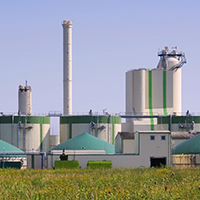
A key focus of this strategy is improving how waste streams are managed, reducing waste traffic and fostering a circular economy that extracts value from waste. Anaerobic Digestion (AD) is a technology that aligns seamlessly with these objectives. However, despite its potential, AD often remains underappreciated due to historical incidents, limited awareness and inconsistent government policy.
AD technology offers a range of benefits. It can treat waste, generate electricity, produce green gas and create digestate, all of which contribute to a circular economy. While there are debates about using crops as feedstock, particularly concerning land use and soil health, the broader potential of AD plants to support sustainability is undeniable.
Despite its promise, the AD industry faces significant challenges. High capital investment requirements have limited the number of operational facilities, leaving only a few hundred plants in operation and a handful under construction. This limited pool of plants available for insurance, combined with high claims costs, has created a challenging insurance market. Premiums often fail to cover claims, leading to rising costs, higher deductibles and in some cases, insurers withdrawing from the market altogether.
In this context, effective risk management and a sophisticated insurance placement strategy are essential for AD plant operators.
The importance of insurance in AD projects
Insurance is often viewed as a legal or contractual obligation, but when approached strategically, it can provide significant value. Engaging an experienced insurance broker early in the project ensures that the AD plant is insurable from the outset. This not only enhances the project's bankability, making it more attractive to lenders, but also ensures a clear understanding of risks, which can lead to better premiums and coverage.
Proactive risk management and maintenance play a crucial role in reducing incidents and minimising downtime. Insurance also provides support in preventing contract breaches, which can otherwise lead to costly disputes. Collectively, these measures improve the return on investment, enhance financial stability and boost stakeholder confidence in the project.
Key risk stages in AD projects
AD projects face risks across four critical phases — site acquisition and preparation, construction and commissioning, operational activities and decommissioning. At each stage, it is vital to identify potential risks, implement mitigation strategies and prepare for possible incidents. Insurers can tailor coverage to address the specific challenges of each phase, ensuring comprehensive protection throughout the project lifecycle.
Risk areas in AD projects
The first area of risk arises during site acquisition and preparation. Legal complications, such as land use restrictions, title disputes and challenges to planning permission, can delay progress and increase costs. Conducting thorough due diligence and securing legal indemnity insurance can help mitigate these risks.
The second stage, construction and commissioning, involves risks such as property damage, contractor injuries and environmental harm. These risks can be managed by allocating responsibilities in contracts, working with experienced contractors and considering an Owner-Controlled Insurance Program (OCIP) to provide continuous coverage from design to project handover.
Equipment procurement and protection present another significant risk. Equipment can be damaged during transit, storage or installation and operational threats such as fire, theft or mechanical failure can arise. Choosing reputable suppliers, securing warranties and following maintenance guidelines are essential steps to mitigate these risks.
Emergency and continuity planning is critical to address potential disruptions such as major breakdowns, natural disasters or security breaches. Developing a comprehensive business continuity plan and maintaining strong supplier relationships can help minimise downtime and financial losses.
Environmental protection and compliance are ongoing concerns, as AD plants manage hazardous materials that can cause pollution if mishandled. Pollution liability insurance, combined with best-practice operational procedures and an effective environmental management plan, is essential to address these risks.
Cybersecurity is an increasingly important consideration, as AD plants rely heavily on digital systems that are vulnerable to cyber attacks. Meeting cybersecurity standards, securing a cyber insurance policy and implementing robust on-site security measures can help mitigate these risks.
Director and management liability is another area of concern. Legal or regulatory breaches can lead to personal liability and reputational damage for directors and key personnel. Regular training, crisis management plans and management liability insurance can provide protection and support.
Legal disputes with staff, contractors or regulators can arise at any stage of the project. Early legal advice and legal defence insurance can help manage these disputes effectively and prevent escalation.
Workforce and public safety are critical throughout the project lifecycle. Operational hazards can pose risks to employees, visitors and nearby residents. Implementing a comprehensive health and safety plan, complying with regulations and securing adequate liability insurance are essential measures.
Finally, decommissioning and site closure present unique risks, including safety and environmental challenges. Engaging qualified professionals, planning for site restoration and ensuring adequate insurance coverage are crucial to managing these risks effectively.
Conclusion
AD offers a sustainable solution to waste management and energy production, aligning with the UK's environmental goals. However, the industry faces significant risks and challenges, particularly in securing affordable and comprehensive insurance coverage.
By engaging experienced insurance brokers early, implementing robust risk management strategies and fostering collaboration among plant operators, the AD sector can overcome these challenges. This approach not only ensures long-term insurance security but also supports the development of a stable and sustainable market for AD in the UK.
Gallagher is committed to supporting AD plant operators at every stage of their projects, offering tailored insurance solutions and risk management strategies to help them achieve their goals.