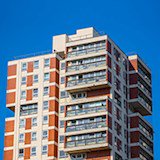
An unoccupied apartment in a block of flats may seem harmless. However, extended periods of vacancy can create significant challenges for property owners, managing agents and residents. For example, a water leak from an unoccupied property can affect neighbouring flats and communal areas. It may also impact the building's insurance cover.
Flats remain vacant for extended periods for various reasons, such as probate delays, refurbishment projects and property transactions.
During such periods of vacancy, regular inspections, timely maintenance and a clear understanding of insurance requirements can reduce the risk of damage, disruption and unexpected costs.
What counts as an unoccupied flat?
When no one has used a flat as their main residence for a specified period, typically 30 to 60 consecutive days, it can be identified as vacant.
For such properties, additional insurance conditions or reporting requirements may apply, depending on the policy wording.
Why do empty flats create greater risk?
Water damage is one of the most significant risks that can arise from an unoccupied flat.
A leaking pipe, faulty appliance connection or defective heating component may go unnoticed for days or even weeks. By the time the source is identified, water may have travelled through ceilings, walls and service risers. Other maintenance issues, including damp or broken windows, can follow a similar pattern when a property is left unattended.
Security is another important consideration. Empty flats are vulnerable to theft, vandalism, unauthorised access or malicious damage.
The longer the issues remain unidentified, the more likely they're to cause extensive damage to neighbouring flats, communal areas and building services. This is one of the reasons why such risks influence how insurers assess vacant properties.
What insurance conditions commonly apply to unoccupied flats?
Carriers may apply additional requirements such as:
- Regular documented inspections
- Appropriate security measures
- Prompt attention to maintenance issues
- Precautions to protect water systems against leaks or cold-weather damage
- Notification when a property becomes unoccupied beyond a defined period
Understanding these conditions helps demonstrate compliance should a claim arise.
How should refurbishment projects be managed during a vacancy?
Refurbishment is one of the most common reasons that a flat may remain unoccupied for an extended period. Projects don't always progress according to the original schedule. Contractor delays, changes in scope or supply chain issues can extend vacancy periods beyond what was initially anticipated.
Where work continues for longer than expected, it's important to maintain up-to-date project records. Insurance requirements may also need to be reviewed. Clear communications between owners, managing agents and contractors will also help set expectations throughout the refurbishment period.
How often should an unoccupied flat be inspected?
Regular inspections provide an opportunity to identify leaks, damp and pest activity before they develop into more serious issues. They can also flag any other maintenance concerns, or spot signs of unauthorised access.
The required frequency of inspections may vary between insurers and policies, so always check the policy wording. You may also need to maintain evidence such as inspection logs, photographs and dated notes.
Who is responsible for managing an unoccupied flat?
Responsibility for a vacant flat generally remains with the property owner, even when the property is unoccupied. Depending on the building's arrangements, managing agents may assist with inspections, maintenance and communication.
Where multiple parties are involved, a shared understanding of who is responsible for access, inspections, maintenance and communication helps support a more coordinated response if an issue arises.
Risk management checklist for unoccupied flats
- Keep emergency contact and keyholder details up to date.
- Make sure access arrangements are available if urgent entry is required.
- Check regularly for signs of water damage, damp, mould or condensation.
- Monitor refurbishment works and contractor access.
- Inspect doors, windows and communal access points for signs of damage.
- Record maintenance issues and track remedial actions.
- Remove unopened mail and other visible indicators that show that the property is empty.
- Inform the managing agent of any change in occupancy arrangements.
- Review the property periodically if vacancy extends beyond the original timeframe.
While vacancy may be temporary, the responsibilities that come with property ownership continue throughout that period. Taking a planned approach helps protect the property, ensure better building management and provide greater confidence that any issues will be identified and addressed promptly.
For guidance on managing vacant property risks and reviewing insurance cover, speak to your Gallagher representative.